Comóradh 139 bliain ar an lá ba theo in Éirinn – 33.3°C ag Caisleán Chill Chainnigh ar an 26 Meitheamh 1887
Is inniu an 139ú comóradh ar an teocht aeir is airde a taifeadadh riamh in Éirinn, 33.3°C a taifeadadh ag Caisleán Chill Chainnigh ar an 26 Meitheamh 1887. Mar gheall ar an taifead fadtéarmach seo, is asluiteach í Éire ón gcuid eile den Eoraip, an mhór-roinn is gasta téamh ar domhan, ós rud é gur sháraigh na teochtaí is airde a taifeadadh riamh le déanaí. I bhfianaise an achair ama neamhghnáigh atá an teocht ard seo gan sárú, rinne Met Éireann staidéar cuimsitheach le déanaí ar bhailíocht an tomhais 33.3°C.
In 2025, rinne taighdeoirí de chuid Met Éireann an measúnú ba chuimsithí go dtí seo ar an teocht is airde a taifeadadh ag Caisleán Chill Chainnigh. Sa staidéar is déanaí seo, rinne na húdair digitiú ar thomhais stairiúla teochta ó Chaisleán Chill Chainnigh agus ó stáisiúin aimsire in aice láimhe chun anailís chuimsitheach a dhéanamh ar na taifid.
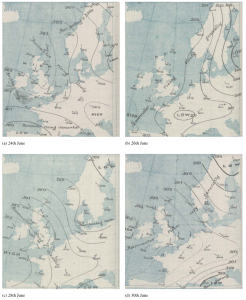
Tuairiscí Aimsire Laethúla ó 1887 ar a 8 AM. Léiríonn na comhrianta airde mheasta an mhearcair (in orlaí) ag an suíomh sin. Is ionann 30.1 orlach mearcair agus thart ar 1019.3 hPa, 30.2 orlach agus thart ar 1022.7 hPa, 30.3 orlach agus thart ar 1026.1 hPa, 30.4 orlach agus thart ar 1029.5 hPa, agus 30.5 orlach agus thart ar 1032.8 hPa.
Léirigh an anailís na nithe seo a leanas:
- mhol tuarascáil ó chigire ag an am go raibh na hionstraimí suite go maith, go raibh an teirmiméadar calabraithe i gceart agus go raibh sé suite i scáileán le lúvair dhúbailte a chomhlíon na riachtanais idirnáisiúnta go léir a bhí i bhfeidhm ag an am.
- ní dhéantar aon tagairt d’ábhair imní maidir leis an teocht is airde a taifeadadh i mí an Mheithimh den bhliain sin i dtuarascáil ó mhí Mheán Fómhair 1887.
- léiríonn anailís shionoptach ar an aimsir, bunaithe ar bhreathnuithe san am atá thart agus ar athanailís, go raibh an poitéinseal ann d’imeacht téimh suntasach ag deireadh mhí an Mheithimh 1887.
- léiríonn anailís nua-aimseartha ar shonraí ó fud na tíre (i gcásanna go leor) go raibh na difríochtaí idir Cill Chainnigh agus stáisiúin in aice láimhe an lá sin go hiomlán inchreidte.
- feileann múnla staitistiúil do shonraí foircneacha go maith don tacar sonraí maidir leis na huasteochtaí bliantúla ag Caisleán Chill Chainnigh.
- agus léiríonn anailís ar thaifid bháistí (imghalú á chur san áireamh) méid an easnaimh a bhí ann ar fud na tíre, go háirithe san oirthear agus san oirdheisceart – is coinníollacha den scoth iad seo d’imeacht teasa fhoircnigh.
- rinneadh tagairt in go leor foinsí comhaimseartha don triomach gan fasach agus don teas dian a bhí ann in 1887.
Molann an Eagraíocht Dhomhanda Meitéareolaíochta nár cheart seantaifid aeráide a bhaint ach amháin má tá fianaise leordhóthanach agus shuntasach ann go raibh earráid i gceist. Cé gur léirigh an t-athbhreithniú roinnt amhras, níor aimsíodh aon fhianaise shoiléir ar earráid.
I ndiaidh an athbhreithnithe, agus na hamhrais a bhaineann le tomhas chomh sean sin á gcur san áireamh, molann Met Éireann, seirbhísí meitéareolaíochta idirnáisiúnta agus piarmheasúnaitheoirí eolaíocha gur cheart an teocht bhunaidh 33.3°C a taifeadadh i gCill Chainnigh a choinneáil.
Deir Keith Lambkin, Ceannaire na Seirbhísí Aeráide ag Met Éireann:
“An bhliain seo, taifeadadh an teocht ab airde riamh in Éirinn i mí na Bealtaine. Anuraidh, bhí an samhradh ba theo riamh in Éirinn, agus ba é 2023 an bhliain ba theo dár taifeadadh riamh sa tír. De réir mar a leantar ag sárú na huasteochtaí náisiúnta a taifeadadh riamh mar thoradh ar an athrú aeráide, is ceist ama amháin é, ar an drochuair, sula sárófar an uasteocht fhadtéarmach is airde a taifeadadh riamh do Chaisleán Chill Chainnigh.”
Dúirt Ciaran Kelly, Meitéareolaí le Met Éireann agus comhúdar an taighde ar an ábhar seo in 2025:
“Táimid faoi chomaoin mhór ag na breathnóirí aimsire i gCaisleán Chill Chainnigh agus ag na mílte breathnóir aimsire ar fud na tíre le céad go leith bliain anuas; a bhuí lena ndícheall agus lena saineolas, táimid in ann tuiscint níos fearr a fháil ar an gcaoi a bhfuil aeráid na hÉireann ag athrú.”
Tá an páipéar eolaíoch iomlán, a ndearnadh piarmheasúnú air, le fáil san International Journal of Climatology agus is féidir teacht air anseo.
Tá cur i láthair a thug an príomhthaighdeoir John O’Sullivan do Chumann Meitéareolaíochta na hÉireann ina ndéantar achoimre ar na torthaí ar fáil anseo.