Forecast issued at: Friday 25th September 2026 15:00
Rain
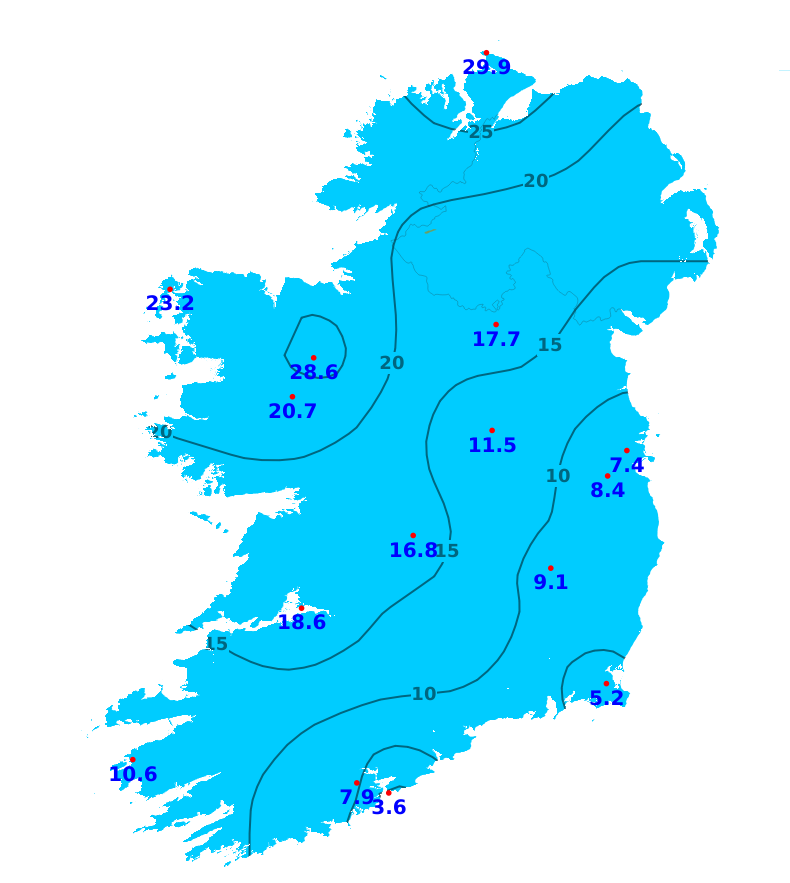
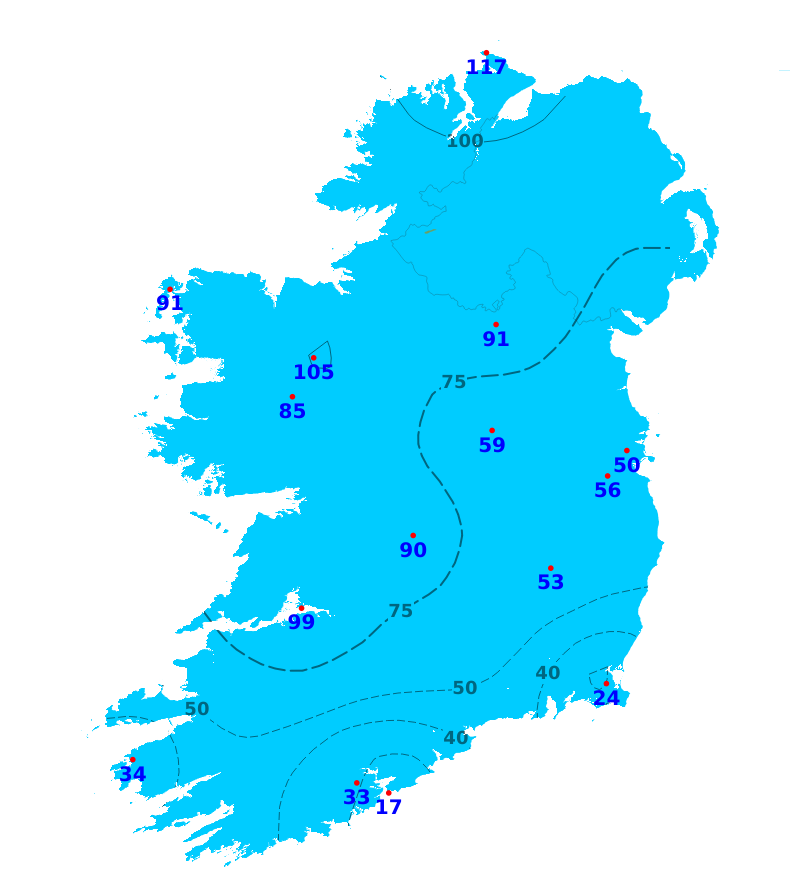
Rainfall amounts were below average for most of the country over the past seven days, with the exception of the northwest, where rainfall totals were close to or slightly above average. Roches point was the driest, with only 3.6mm (17% of average) while Malin Head was saw the highest totals, with 29.9mm (117% of average). Mixed conditions are expected over the coming week with some more unsettled periods. As a result, rainfall amounts will vary across the country, ranging from close to or below average amounts in the north, to over twice the average or more in parts of the south.
Temperatures
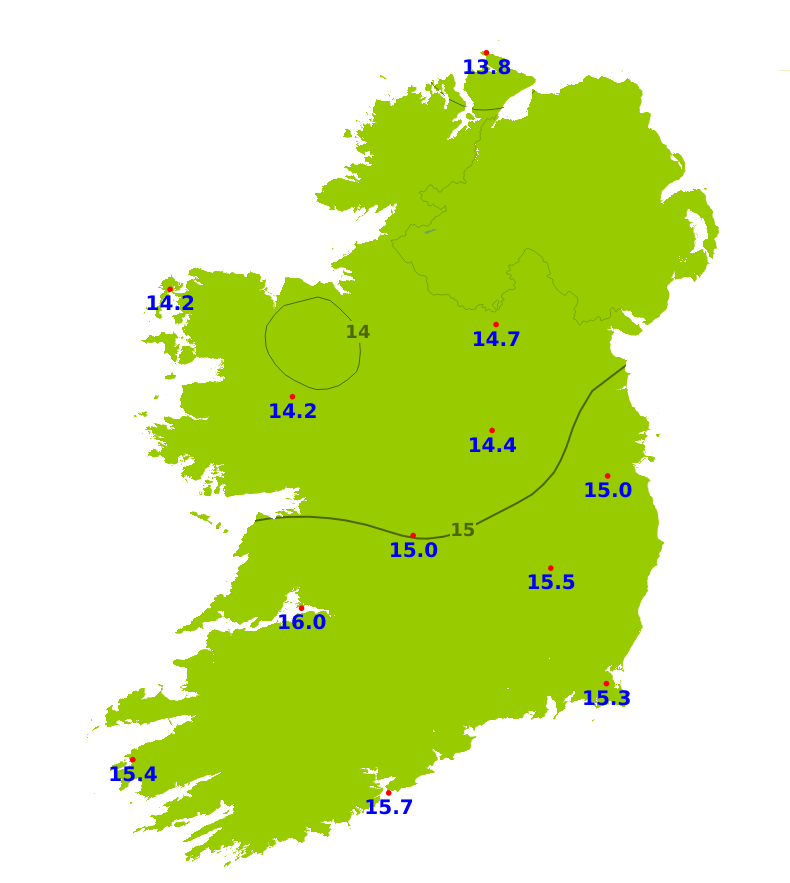
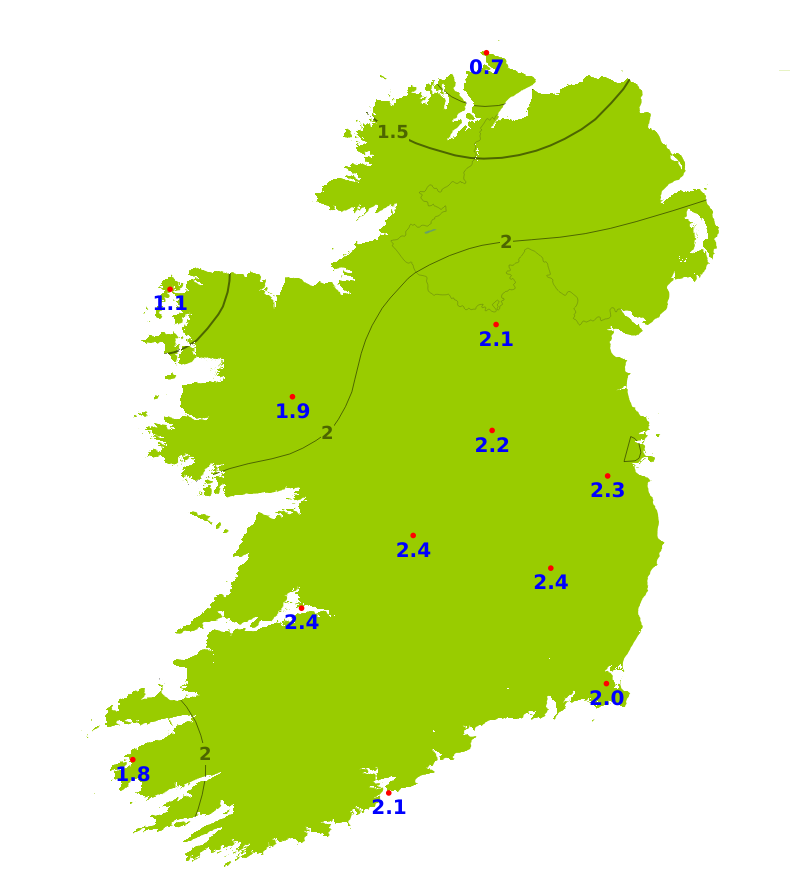
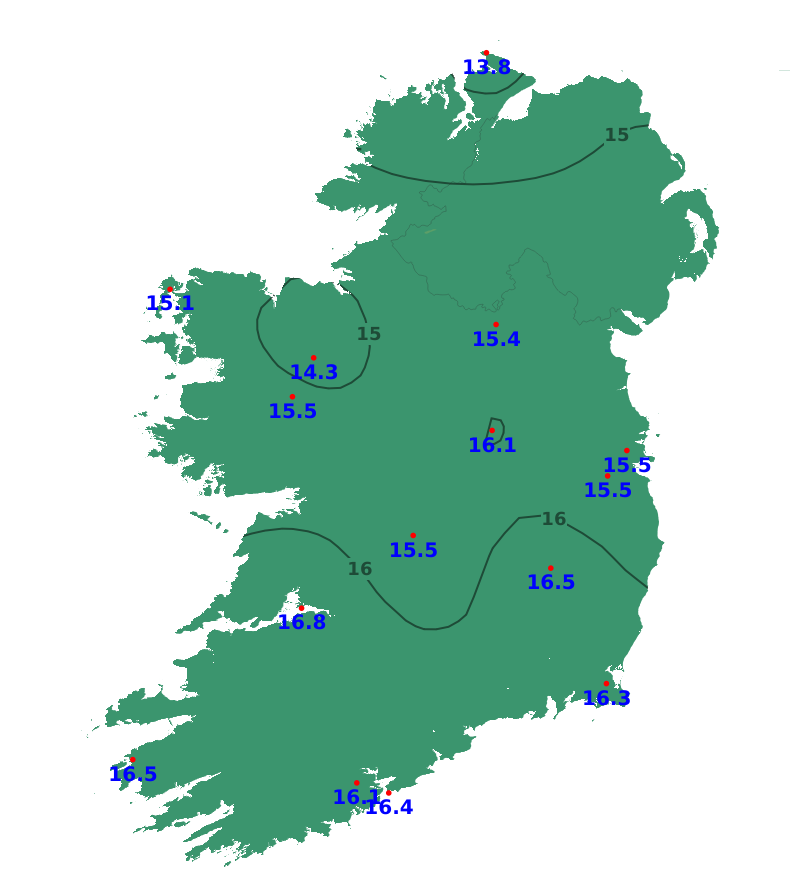
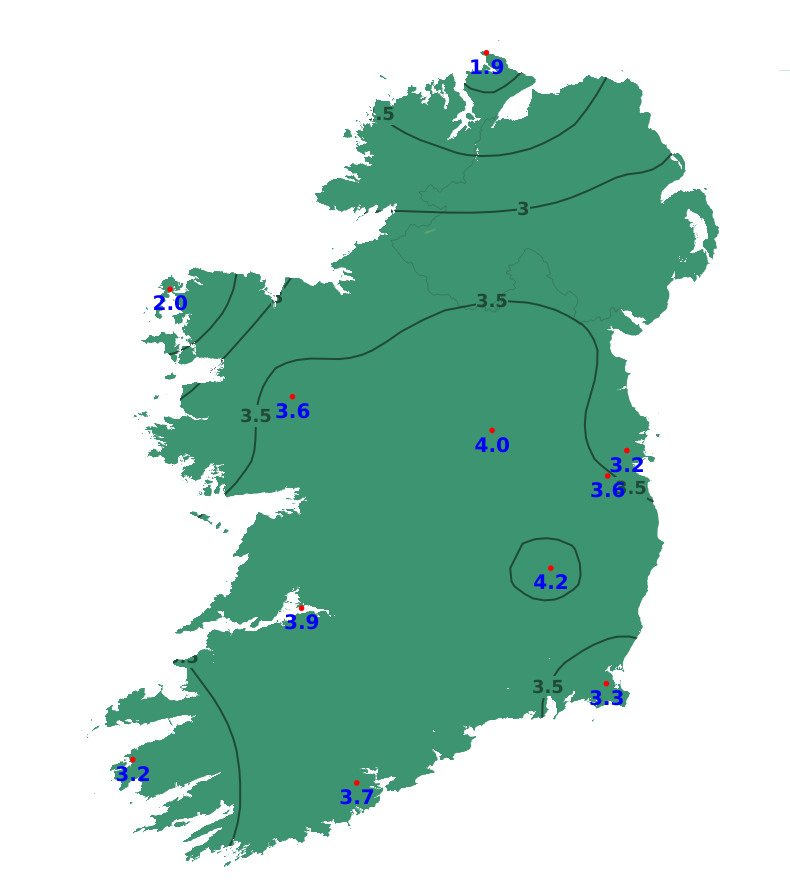
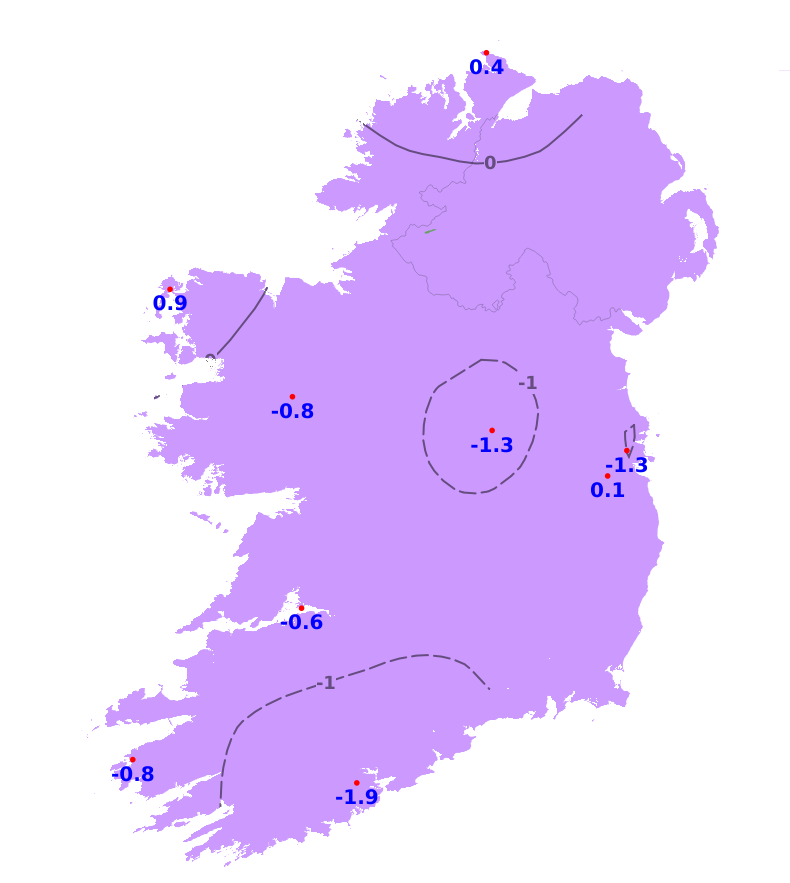
Air temperatures were above average nationwide over the past week, ranging from 15.7 degrees at Roches Point, Co. Cork (2.1 degrees above average for the time of year), to 13.5 degrees at Knock/Ireland West Airport (2 degrees above average). Mean soil temperatures were also above average, ranging between 13.8 and 16.8 degrees (1.9 and 3.9 degrees above average). With cooler and fresher conditions expected overall for the next seven days, temperatures will fall back closer to average for the time of year. Mean air temperatures will likely range between 13 and 15 degrees, while mean soil temperatures will decrease slightly but are expected to stay above average.
Sunshine
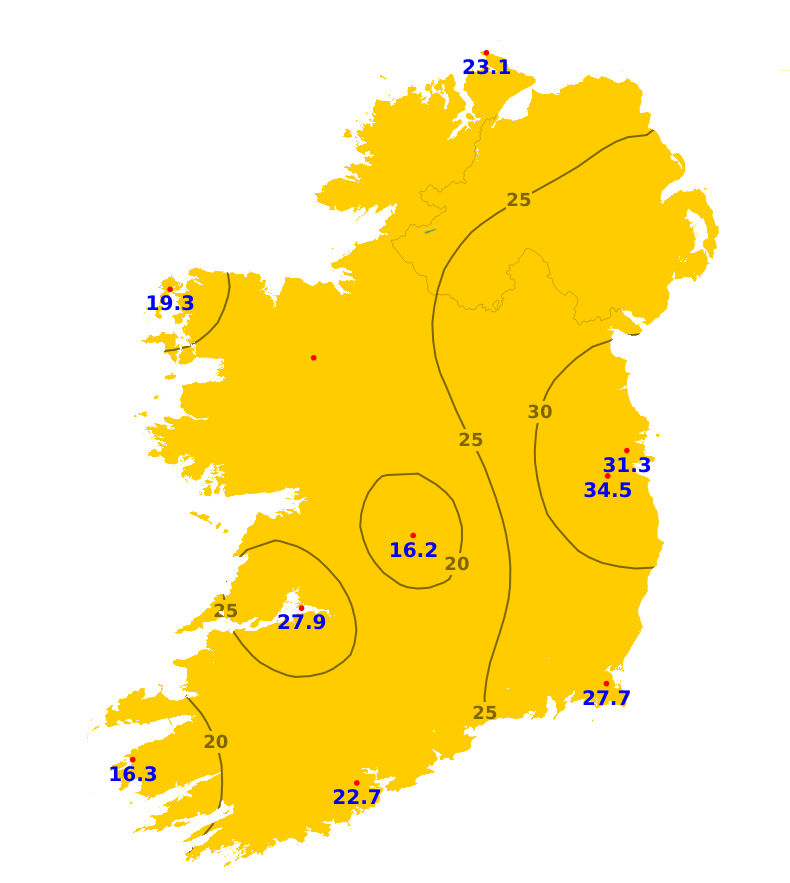
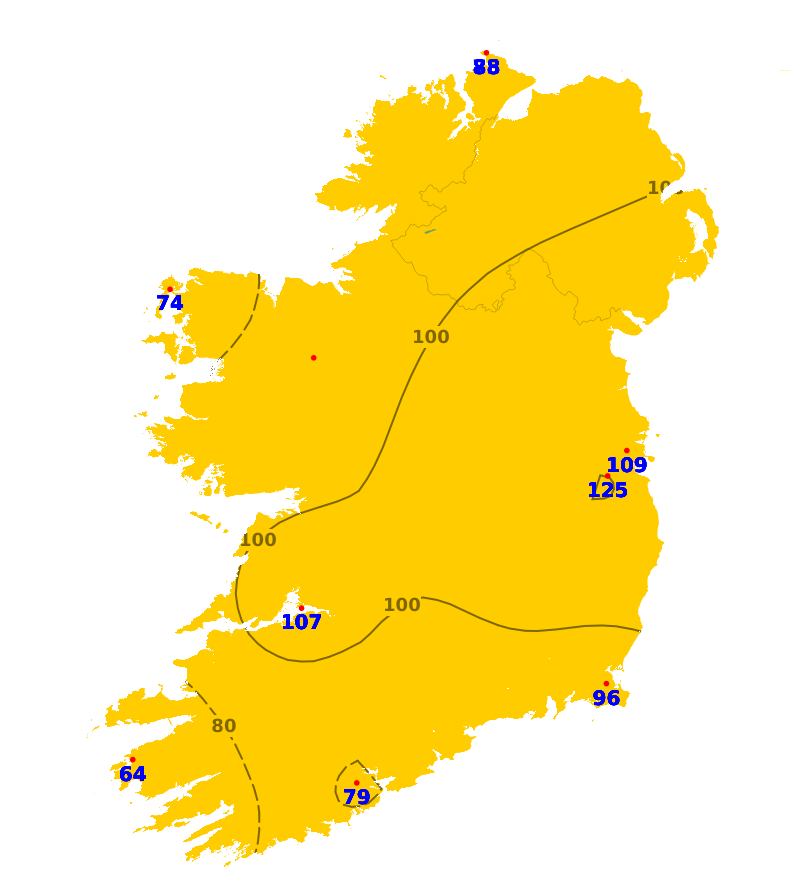
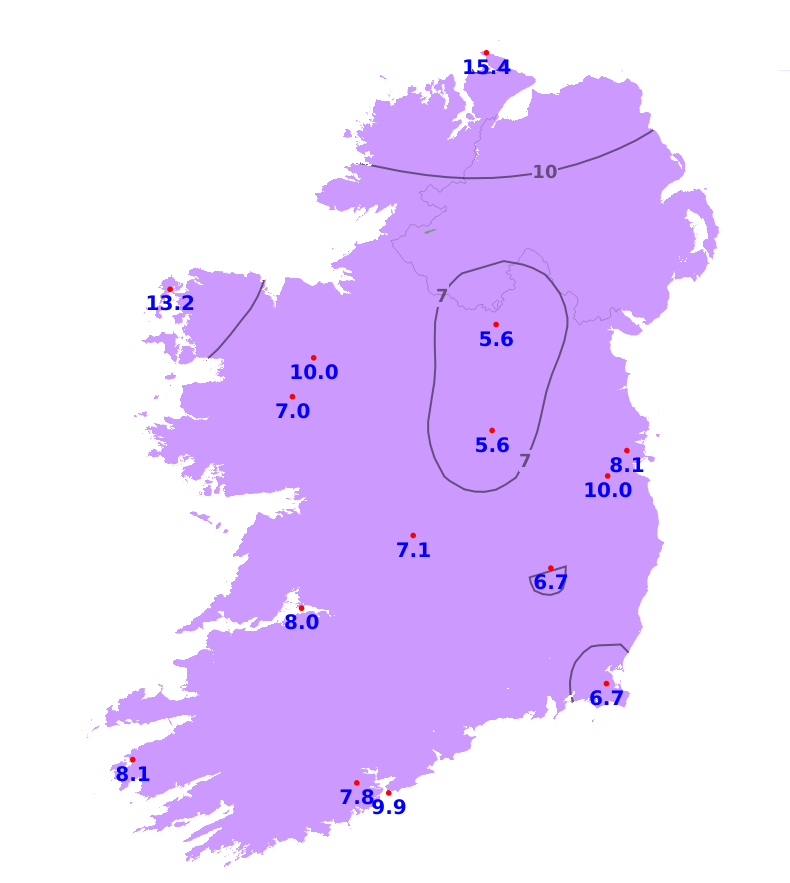
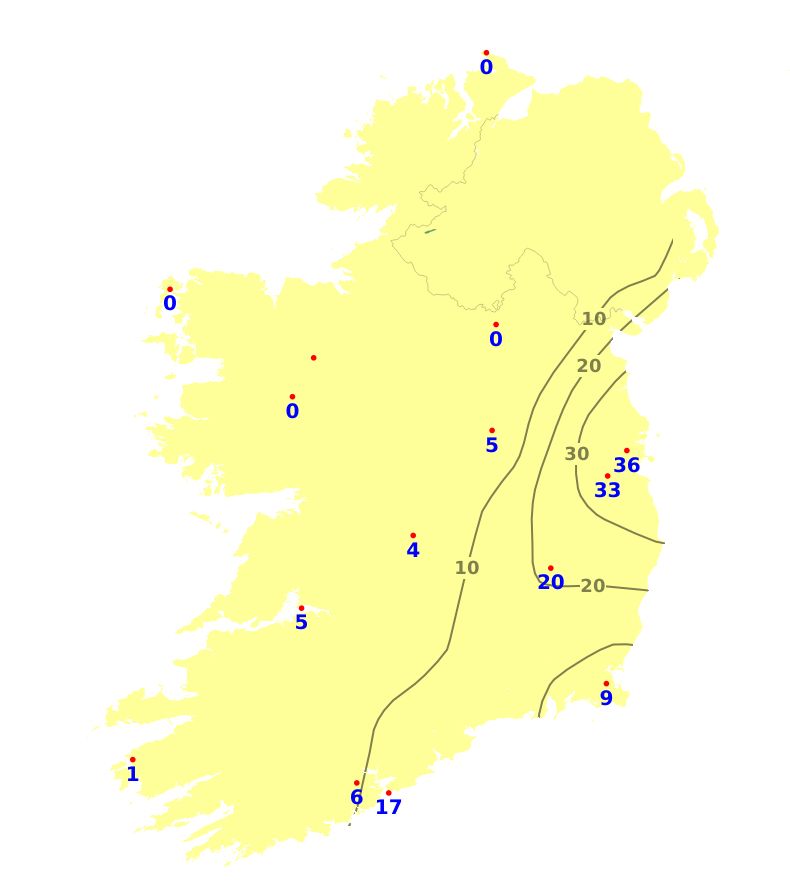
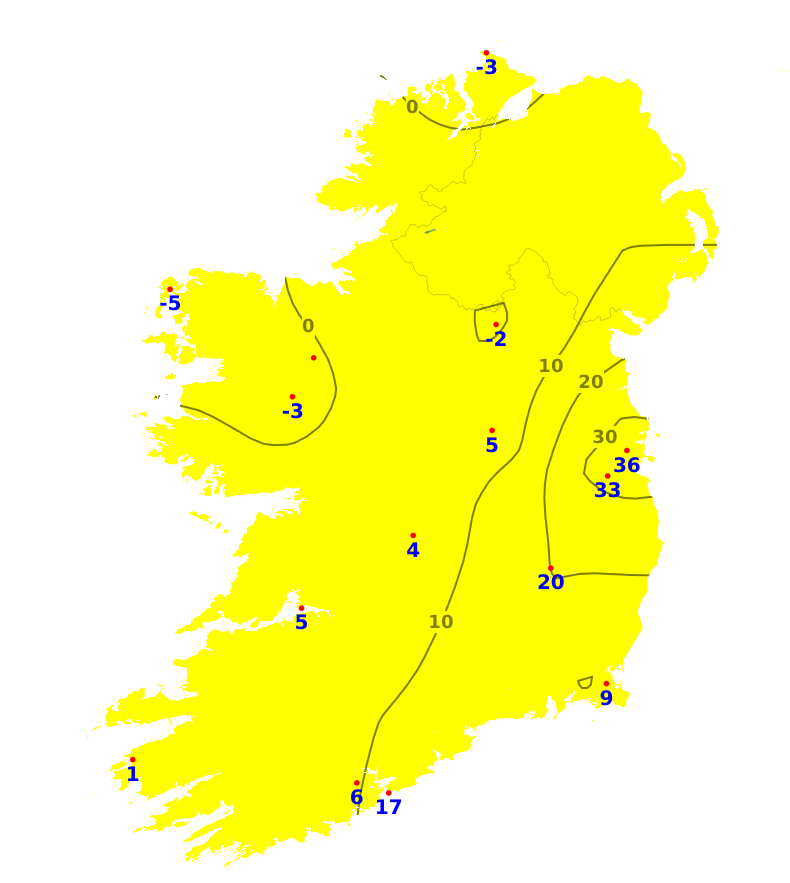
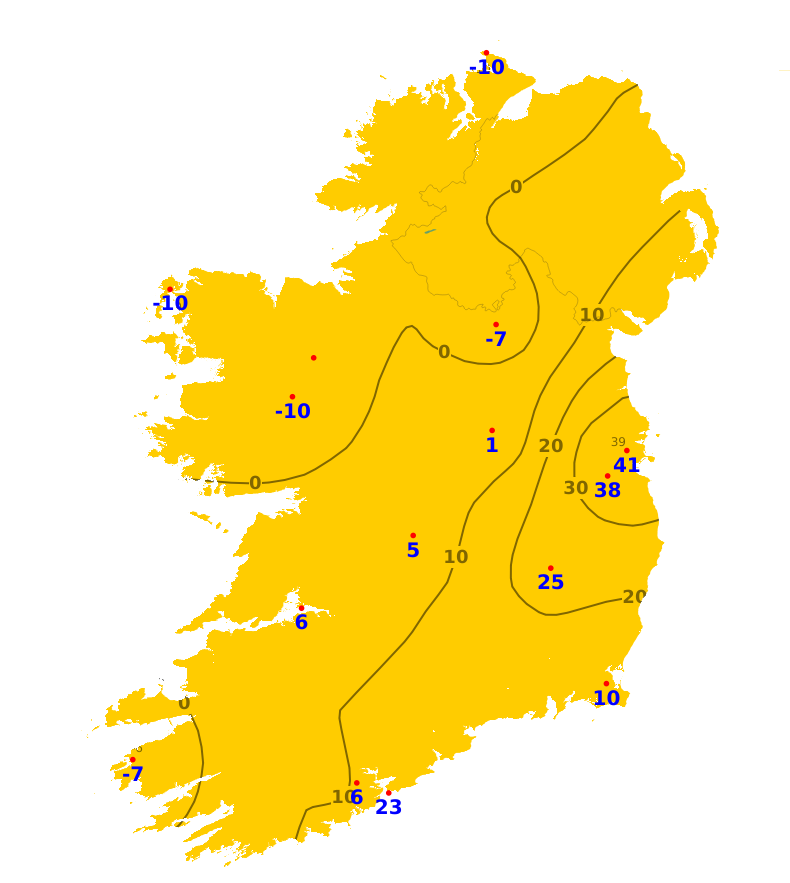
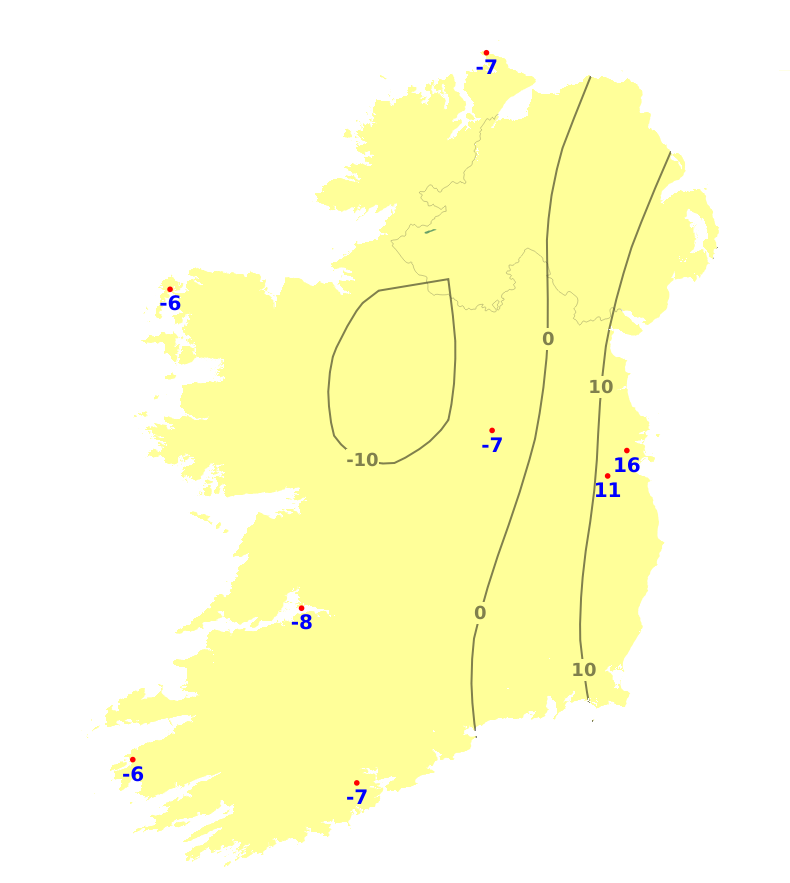
Sunshine amounts over the past week varied over the country. It was duller than average in parts of the north, west and southwest, while sunshine amounts were closer to or above in parts of the midlands and east. Valentia Observatory, Co. Kerry, recorded the least amount of sunshine with 16.3 hours (64% of its average for the time of year) while Casement Aerodrome, Co. Dublin, recorded the most with 34.5 hours (125% of its average for the time of year). Over the coming week, while there will be sunny spells at times, but mixed conditions will likely lead to below average sunshine amounts.
Drying Conditions
Mixed or unsettled conditions over the coming week will lead to mostly moderate or poor drying conditions. The best opportunities will be today and tomorrow, Saturday, and Monday, away from any scattered showers.
Spraying
There will be limited opportunities for spraying over the coming week with mixed or unsettled conditions expected. There will be opportunities today (Friday), Saturday and Monday, away from any showers.
Field Conditions
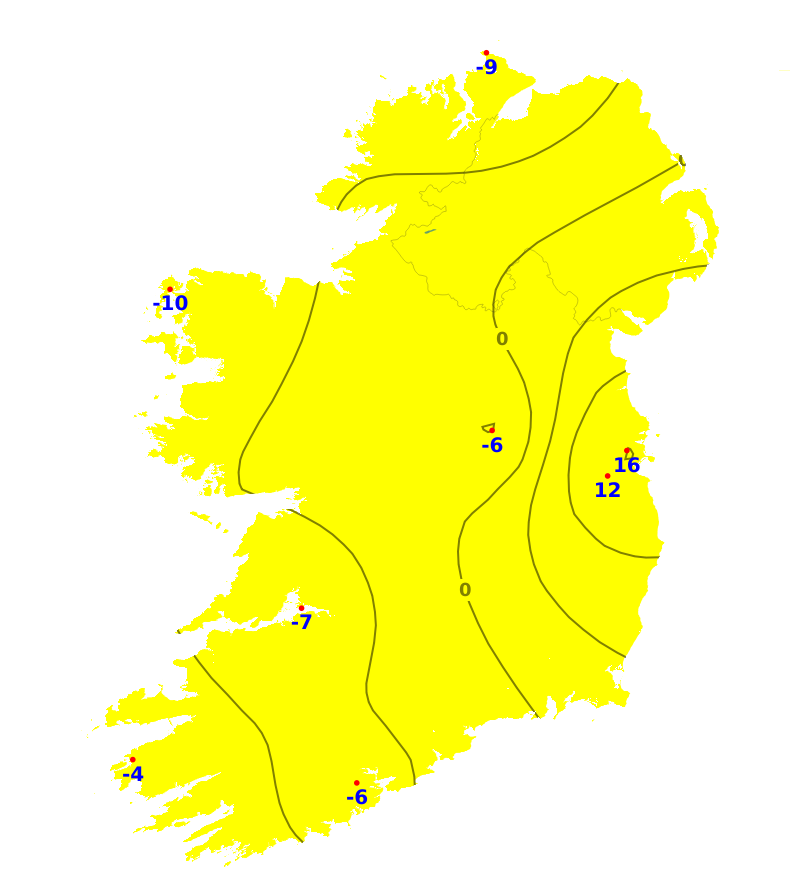
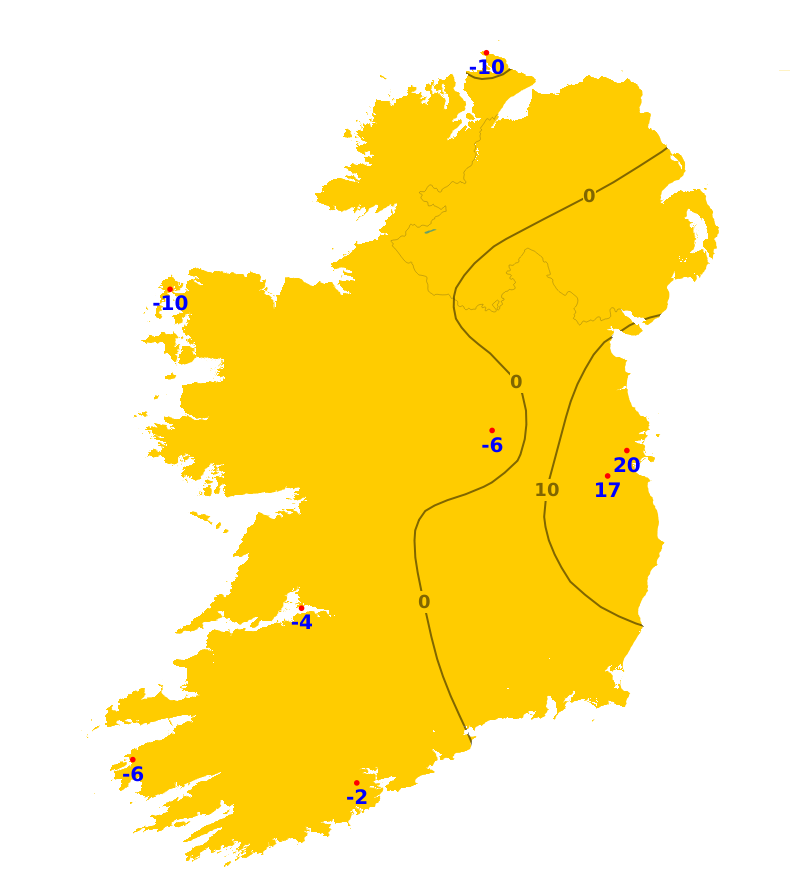
Soil moisture deficits (SMDs) are greatest in the east, while elsewhere soils are saturated or close to saturated, with some poorly drained soils in the northwest being waterlogged. Over the coming week, with mixed or unsettled conditions, SMDs are expected to decrease for most areas, with soils in the south and southeast becoming saturated, and poorly drained soils in the southwest becoming waterlogged. Soils will likely continue driest in the northeast of Leinster.
Further Comments
Weather conditions conducive to the spread of potato blight will occur in the northwest and west from Saturday night (26th September) until Sunday afternoon (27th September).