Published 18th November 2026
As Europe faces growing climate, security and economic risks, how can weather, climate and water intelligence be better integrated into decision-making and policy delivery?
This question was at the centre of the EU High-Level Dialogue on Weather, Climate and Strategic Resilience, coordinated by Met Éireann at the European Parliament in Brussels on 29th September 2026, under Ireland’s Presidency of the Council of the European Union.
The event formed part of Ireland’s Presidency programme and reflected growing recognition that weather, climate and water intelligence are becoming increasingly important in supporting European resilience, preparedness, security and competitiveness.
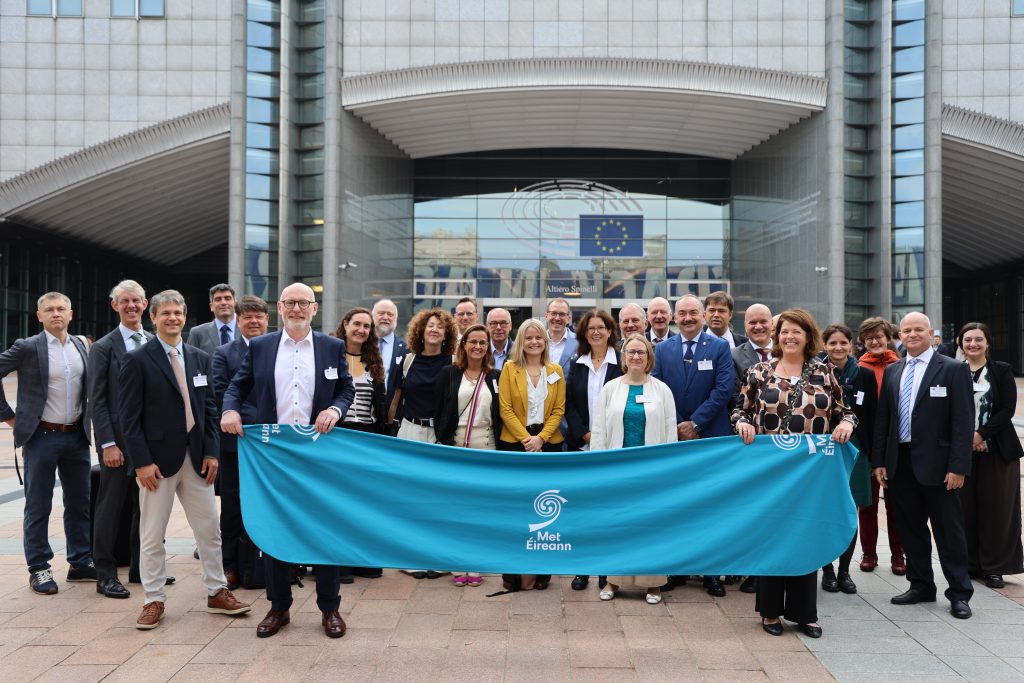
Fig. 1 – Representatives of the European meteorological committee ahead of the event, outside the EU Parliament buildings.
The Dialogue brought together policymakers and representatives of Europe’s meteorological and hydrological community to explore how closer cooperation can support better-informed decisions and action.
Coordinated by Met Éireann on behalf of National Meteorological and Hydrological Services (NMHSs) across Europe, the event included representatives of the European Commission, Members of the European Parliament, European NMHSs, European meteorological organisations, the World Meteorological Organisation, including WMO Secretary General Prof. Celeste Saulo, the European Investment Bank and other stakeholders.
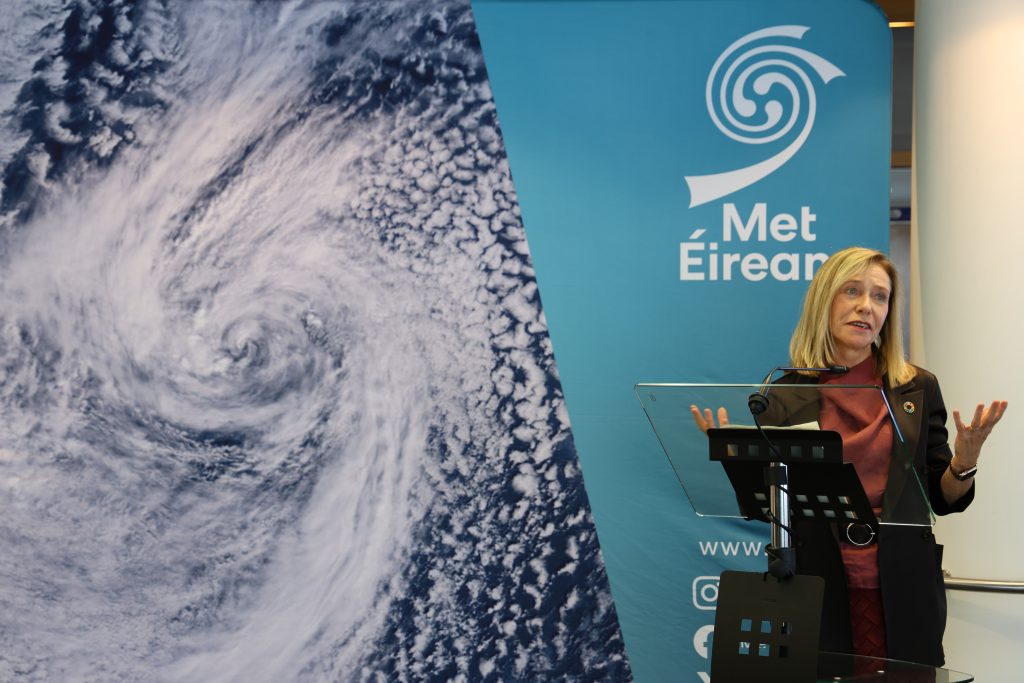
Fig. 2 – World Meteorological Organisation Secretary General Prof. Celeste Saulo addressing the meeting.
Participants shared perspectives from policy, research, operational services, investment and crisis management, highlighting a common interest in strengthening Europe’s preparedness and resilience.
A strong European meteorological ecosystem
The Dialogue highlighted the distinctive role of National Meteorological and Hydrological Services. These publicly accountable institutions develop cutting-edge science, provide real-world settings to test and use new technologies, connect research outcomes with policy, and deliver trusted operational services that help protect lives and property.
Their work supports decisions across society. Through partnerships with emergency and civil protection authorities, health services, transport operators, agriculture, energy providers, regional authorities and others, national services help turn weather, climate and water intelligence into practical action.
Together with world-leading intergovernmental organisations and networks — the European Centre for Medium-Range Weather Forecasts (ECMWF), the European Organisation for the Exploitation of Meteorological Satellites (EUMETSAT) and the network of European National Meteorological Services (EUMETNET) — national services form a strong European meteorological ecosystem.
Together, these organisations have helped establish Europe as a global leader in weather forecasting, climate services, Earth observation and early warning systems.
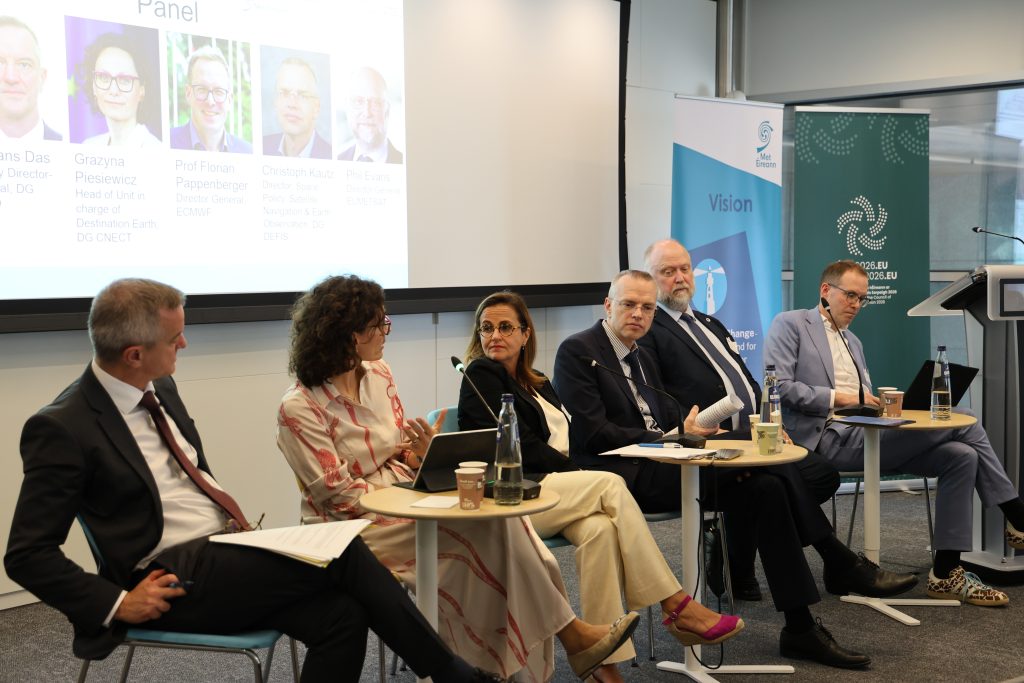
Fig. 3 – Afternoon panel discussion on Security and Competitiveness in a Climate Risk World chaired by Virginie Schwarz, featuring Dr Hans Das (DG ECHO), Grazyna Piesiewicz (DG CNECT), Christoph Kautz (DG DEFIS), Phil Evans (EUMETSAT) and Prof Florian Pappenberger (ECMWF).
“Europe already possesses world-class weather, climate and hydrological capability, built on a strong foundation of scientific expertise, trusted national services and a long tradition of cooperation. The challenge now is ensuring that this capability is translated systematically into better decisions, stronger preparedness and greater resilience.
“By bringing scientific knowledge and operational experience into policy development and delivery, we can turn weather, climate and water intelligence into action that protects people, supports economic activity and strengthens Europe’s resilience, security and competitiveness.” said Eoin Moran, Director of Met Éireann.
Connecting science, policy and action
Discussions highlighted the growing importance of resilience and preparedness within Europe’s policy agenda. Participants repeatedly highlighted that scientific excellence delivers its greatest value when it is translated into operational decisions, preparedness measures and effective policy implementation. Participants emphasised the need to ensure that authoritative forecasts, warnings, climate services and expert advice inform timely decisions and practical action.
Weather, climate and water intelligence can support a wide range of European priorities, from emergency preparedness and risk management to the protection of critical infrastructure and the strengthening of economic competitiveness.
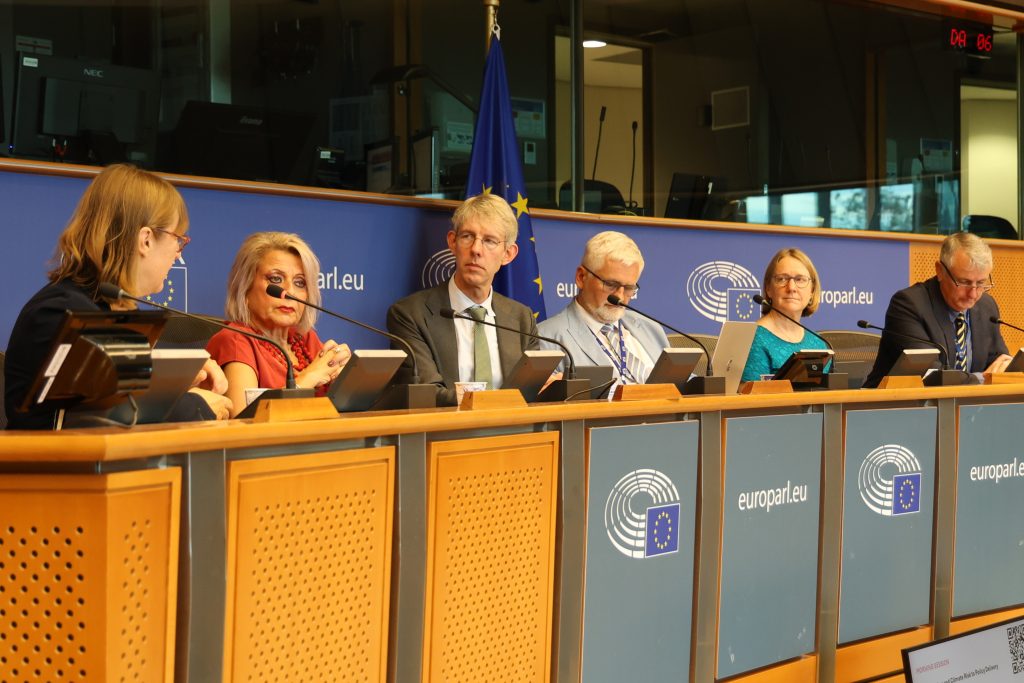
Fig. 4 – Morning panel discussion on Climate Risk, Policy Delivery and Resilience chaired by Prof Maarten van Aalst, featuring Nancy Saich (EIB), Dr Joanna Drake (DG RTD,) Dr Jan Dusík (DG CLIMA), Prof Sarah Jones (DWD) and Dr Stephen Davies (DG MARE).
Closer and more regular engagement between European policymakers and the meteorological community can give institutions access to scientific and operational expertise when developing, implementing and evaluating policy. It can also help national services and their European partners better understand emerging policy needs and adapt their capabilities and services accordingly.
By connecting European policy objectives with national knowledge, operational expertise and delivery, such engagement can help Europe respond more effectively to increasingly complex climate, socioeconomic and security risks.
Continuing the dialogue
Ultimately, the discussion focused on a simple objective: using weather, climate and water intelligence more effectively to protect communities, support economic activity and improve decision-making across Europe.
The event demonstrated the value of bringing policymakers and the European meteorological community together to address shared challenges and opportunities. Participants highlighted the benefits of continued and regular engagement to ensure that weather, climate and water intelligence is consistently reflected in European policy development, preparedness planning and investment decisions. The full High-Level Dialogue Statement is available here at this link: High-Level Dialogue Statement
Met Éireann looks forward to supporting the Hellenic National Meteorological Service in holding a follow-up event during Greece’s Presidency of the Council of the European Union in the second half of 2027.